Community
The Library Seed Swap That Grew a Neighborhood Garden
What began as a shoebox of leftover tomato seeds on a checkout counter has blossomed into a shared quarter-acre plot feeding three streets in College Park.
Published April 18 · 6 min read
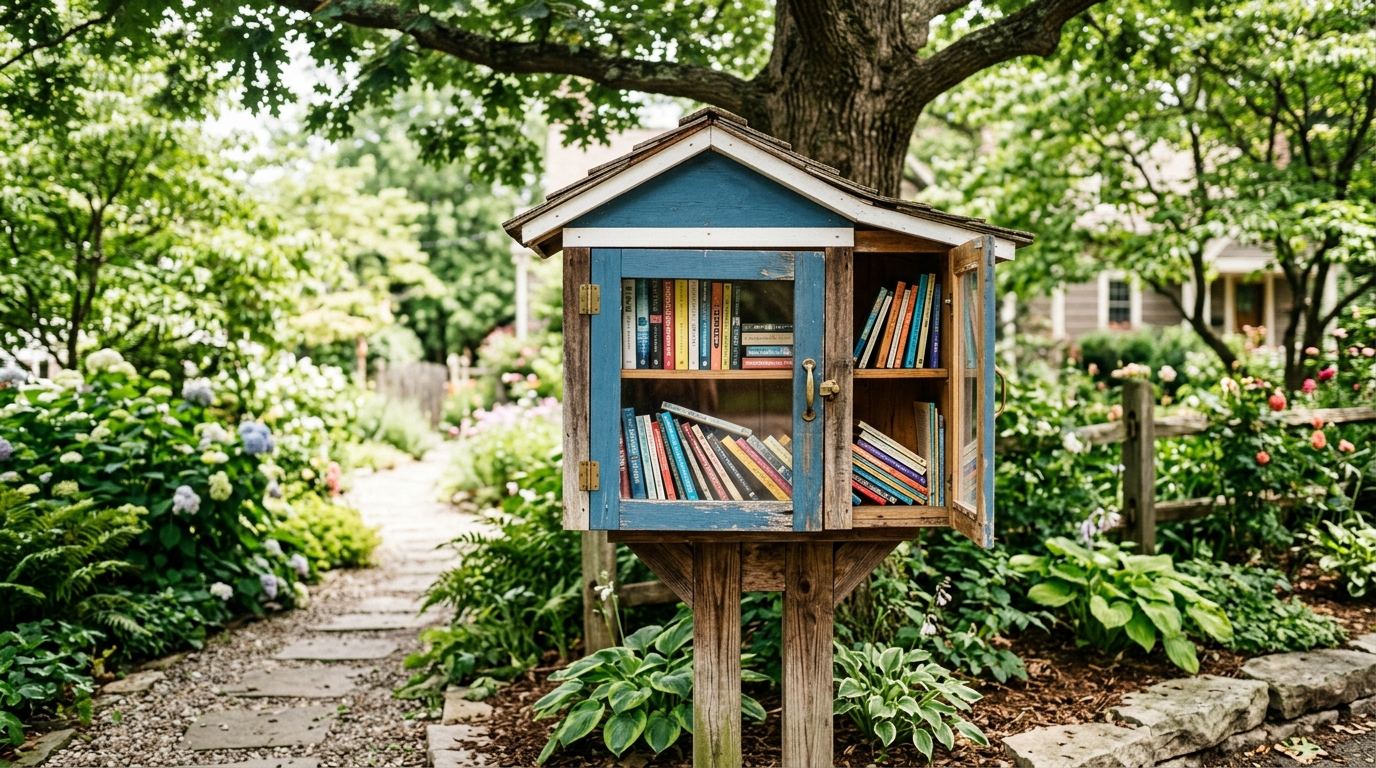
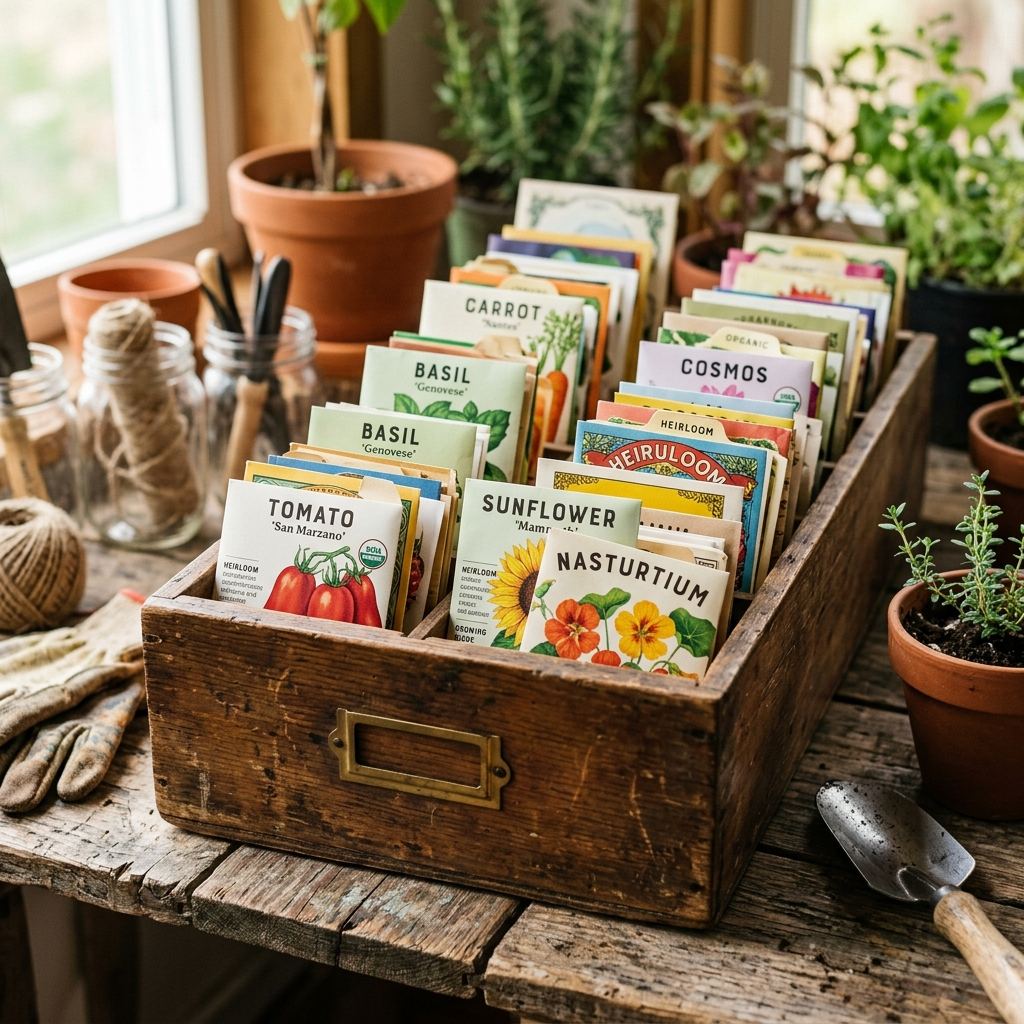
On a humid Saturday last spring, librarian Joann Pierce set an old wooden card catalog drawer beside the returns desk with a hand-lettered sign: "Take a seed, leave a seed." She expected a trickle of curious regulars. Within a month, the drawer was overflowing — packets of heirloom okra, marigolds, basil, and a stubborn variety of Cherokee purple tomato that a retired teacher swore had been in his family since 1962.
The Edgewater Branch Library seed swap was never meant to be a movement. But seeds, it turns out, have a way of spreading.
From a drawer to a dirt lot
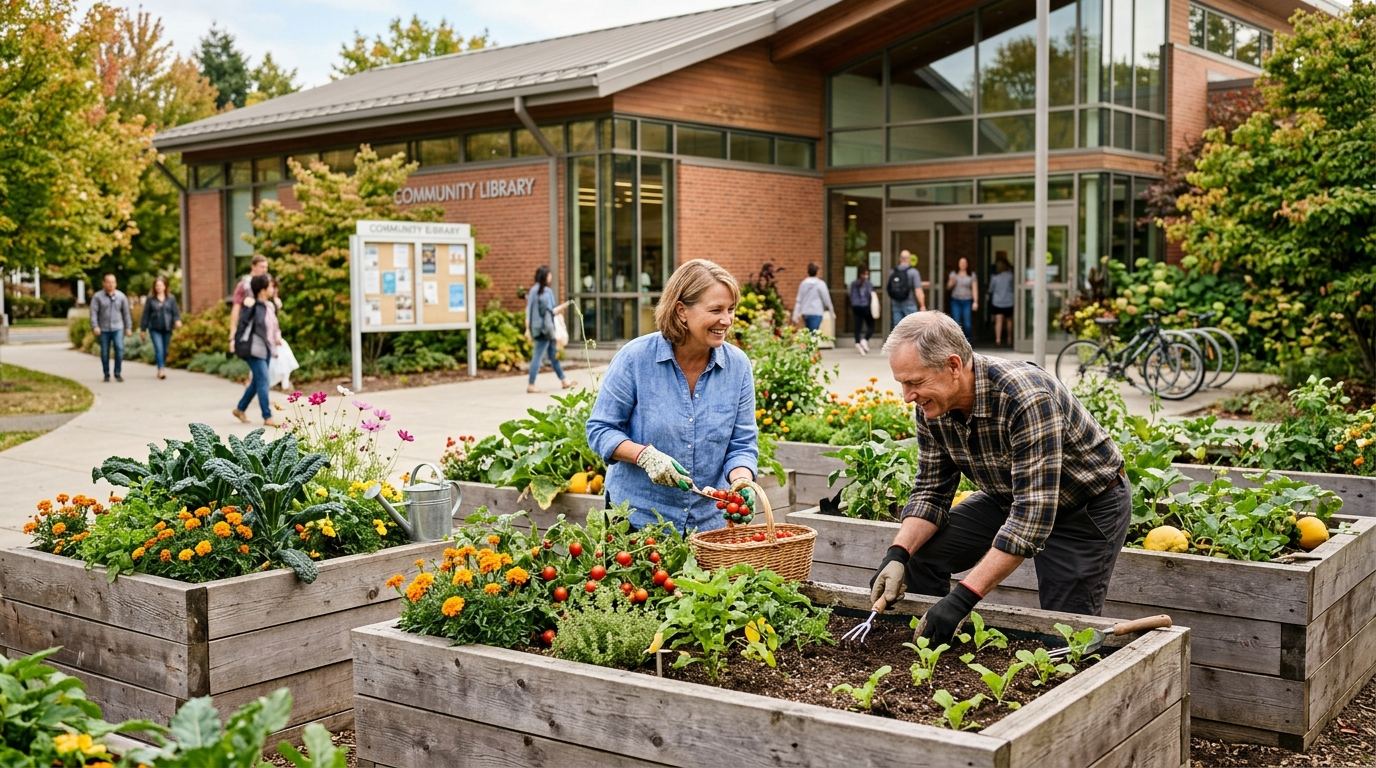
By midsummer, patrons were showing up not just to trade seeds but to ask where they could plant them. Many lived in apartments with no yard. So Pierce did what librarians do best — she connected people. A vacant, weedy lot two doors down, owned by the city and slated for nothing in particular, became the obvious answer.
"The library has always been about sharing what you have so someone else can grow. This was just the same idea, with more sunshine and a lot more mud."
After a string of neighborhood meetings and a modest grant from the parks department, the lot was cleared. Sixteen families showed up the first weekend with borrowed shovels. A retired contractor donated lumber for raised beds. A twelve-year-old named Devon drew the plot map that still hangs, laminated, on the garden gate.
More than vegetables
Ask anyone at the garden what grows there and they'll list the crops — collards, peppers, a wall of sunflowers — before they mention the thing that surprised them most. Neighbors who had lived a hundred feet apart for a decade finally learned each other's names.
Wednesday evenings have become an informal potluck, with produce harvested that afternoon turning up in dishes on a folding table. The library now runs a monthly "grow-along" workshop, and the seed drawer has been formalized into a proper lending program — patrons check out seeds the way they'd check out a novel, with a gentle expectation to return some of the harvest.
"I moved here knowing nobody. Now I have a standing dinner invitation every week and about forty pounds of squash I don't know what to do with." — Devon's grandmother, Rosalind Carter
Three streets over, the momentum hasn't slowed. Two more branches in the county library system have asked Pierce how to start their own drawers. She keeps the instructions simple: find a container, make a sign, and trust that people want to share more than they expect to.
Back at Edgewater, the Cherokee purple tomatoes are climbing their stakes again this year — a little further along, a little more familiar to the block. The retired teacher who first donated them stops by most mornings to check on them. "They're not really mine anymore," he says. "That's the whole point."